
 Last updated: January 4, 2026
6 min read


 Last updated: January 4, 2026
6 min read

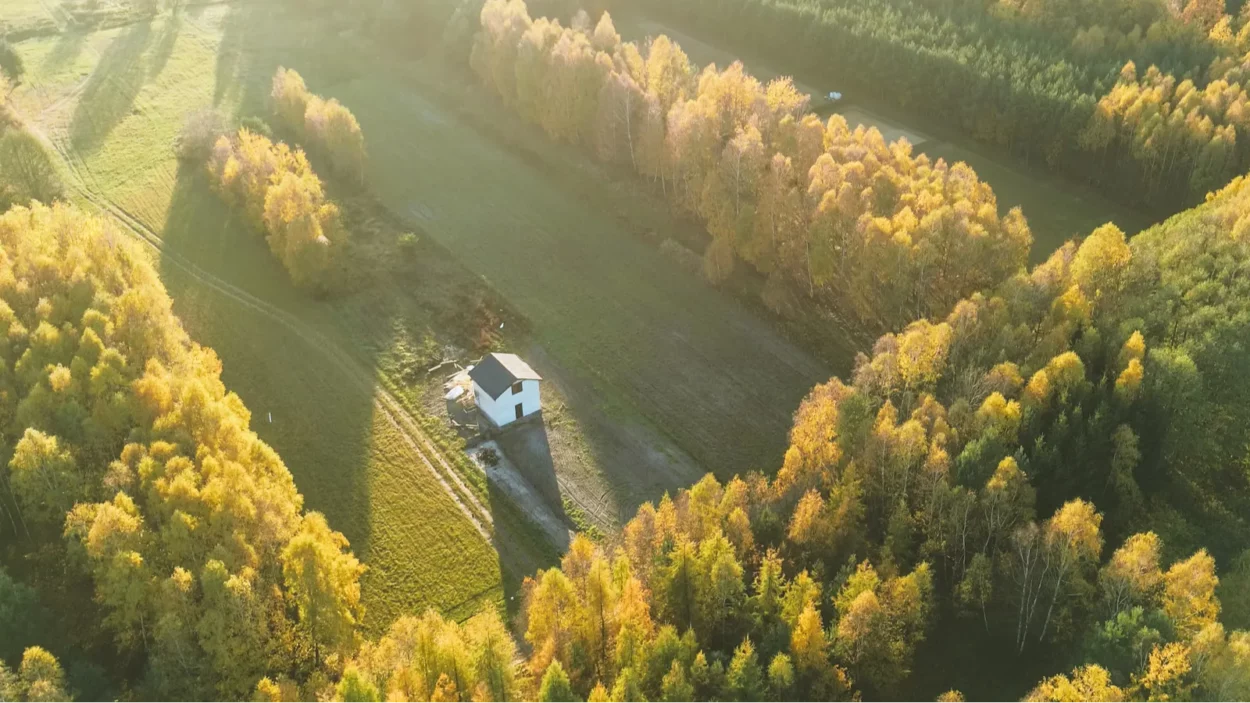
In recent years, a major lifestyle shift has been taking place across the United States. More people are choosing to live and work in off-grid cabins, especially those who work remotely. Off-grid cabins are homes that are not connected to public utilities such as city electricity, water lines, or sewer systems.
This trend has grown alongside the rise of remote work. As more jobs allow people to work from home or anywhere with an internet connection, workers are no longer tied to big cities. Many are trading apartments and suburbs for quiet cabins in forests, mountains, deserts, and lakeside areas.
Remote work has changed where people can live. Before, most workers had to live near offices, business centers, or cities. Today, millions of workers only need a laptop, a phone, and a stable internet connection. This freedom has opened the door to living in rural and remote places.

Many companies now allow employees to work from home permanently or follow hybrid schedules. Workers have discovered they can live far from busy cities without harming their job performance.
This has made off-grid cabins more attractive, especially to people who want space, quiet, and control over their daily lives.
Another reason off-grid cabins are growing in popularity is cost. Housing prices in cities and suburbs have risen sharply over the past decade. In contrast, rural land is often much cheaper.
Some remote workers are buying land and building simple cabins for a fraction of the cost of a city home. While setting up solar panels, water systems, and internet takes money, many people find long-term costs are lower because they do not pay monthly utility bills.
Mental health also plays a role. Many remote workers report feeling burned out from city life. Noise, traffic, crowded spaces, and long commutes can cause stress.
Off-grid cabins offer a slower pace of life. People wake up to natural light, fresh air, and quiet surroundings. This environment helps some workers feel more focused, calm, and satisfied with their work and personal lives.
Remote work has also blurred the line between travel and daily life. Some people use off-grid cabins as long-term stays rather than permanent homes. They work remotely while enjoying nature for weeks or months at a time. This flexibility is reshaping how people define both work and home.
Living off-grid requires careful planning, but modern technology has made it much easier than in the past. Solar power is the most common energy source for off-grid cabins.
Solar panels collect sunlight during the day and store energy in batteries. These systems can power lights, laptops, refrigerators, and internet equipment. With proper design, solar systems can meet daily work needs even in remote areas.
Water systems vary depending on location. Some cabins use wells to access groundwater. Others collect rainwater and store it in large tanks.
Water filters and purification systems make this water safe for daily use. Heating is often handled through wood stoves, propane heaters, or passive solar design that uses sunlight to warm the cabin naturally.
Internet access is the most important tool for remote workers. Satellite internet has become a major solution for off-grid living. It allows people to connect even where cable or fiber internet does not exist.
Many workers also use cellular hotspots and signal boosters as backup systems. These tools help maintain steady communication for video calls, emails, and online platforms.
Inside the cabin, remote workers often set up simple but effective workspaces. A desk near a window, reliable power outlets, and good lighting are usually enough.
Some cabins include small offices or loft spaces designed specifically for work. Even though the setting is rural, the workday often looks very similar to one in a traditional home office.
Health and lifestyle benefits also make off-grid cabins appealing. Spending time outdoors encourages walking, hiking, and physical activity.
Reduced screen time after work hours and fewer distractions help many people feel healthier. Being surrounded by nature can improve sleep and reduce anxiety, making it easier to maintain a balanced routine.
Despite its benefits, off-grid cabin living is not easy for everyone. One of the biggest challenges is access to basic services. Grocery stores, hospitals, schools, and repair services may be far away.

This means people must plan carefully and be prepared for emergencies. Simple tasks, such as shopping or visiting a doctor, can require long drives.
Internet reliability can also be a concern. While satellite and mobile internet have improved significantly, weather conditions such as heavy rain or snow can impact signal quality.
Many remote workers invest in backup systems or generators to avoid work interruptions. Power management becomes an important daily habit.
Building or buying an off-grid cabin also involves legal and zoning issues. Local rules vary widely. Some areas have strict building codes or limits on off-grid systems.
Permits may be required for wells, septic systems, or solar installations. People who rush into off-grid living without understanding local laws can face fines or be forced to make changes.
Social isolation is another factor. Living far from neighbors and towns can feel lonely, especially for people used to busy social lives.
Some off-grid residents join local groups, attend town events, or connect online to stay social. Others prefer solitude but still need occasional interaction to maintain mental well-being.
Ultimately, off-grid living necessitates a hands-on approach. When something breaks, there may be no quick service call.
Residents often learn basic maintenance skills, from fixing power systems to managing water use. This self-reliance can be rewarding, but it is not suitable for everyone.
What does off-grid living mean?
Off-grid living means not relying on public utilities, such as city electricity, water, or sewer systems. People use their own systems to meet daily needs.
Why are remote workers moving to off-grid cabins?
Remote workers are choosing off-grid cabins because they offer freedom, quiet, lower housing costs, and a closer connection to nature while still allowing full-time work.
How do remote workers get internet in remote areas?
Most use satellite internet, cellular hotspots, or signal boosters. Some use more than one system to stay connected.
This article was made with AI assistance and human editing.


We appreciate you taking the time to share your feedback about this page with us.
Whether it's praise for something good, or ideas to improve something that
isn't quite right, we're excited to hear from you.
